Your Website Exists but Google’s AI Can’t Cite It, Here’s the Fix

Josh Conner
Something shifted in how people find businesses online, and most small business owners missed it completely.
When someone asks Google "best CMS for a small business" or types a question into ChatGPT, they're not getting a list of ten blue links anymore. They're getting a direct answer, synthesized from a handful of sources the AI decided were trustworthy enough to cite. If your website isn't one of those sources, you don't exist in that answer. Full stop.
We've been watching this play out with our own clients over the past year. Sites that rank fine in traditional search are getting zero visibility in AI-generated answers. Meanwhile, competitors with half the domain authority are showing up because their content happens to be structured in a way these AI systems can actually parse and quote.
The industry calls this Generative Engine Optimization, or GEO. And if that sounds like another acronym you don't have time for, fair enough. But the numbers are hard to ignore.
The shift is already here
As of early 2026, Google's AI Overviews appear on roughly 48% of all search queries. That's up from about 35% just three months earlier. Nearly nine out of ten keywords that trigger these AI summaries are informational. Those are the exact searches your potential customers are running when they're trying to figure out who to hire or what to buy.
Here's the part that stings: organic click-through rates drop anywhere from 34% to 61% when an AI Overview shows up. Position one in traditional search used to be the golden ticket. Now it loses more than half its clicks when Google decides to answer the question itself.
But there's a flip side. Brands that get cited inside those AI answers earn 35% more organic clicks than they would otherwise. Getting mentioned is the new ranking.
Why your site isn't getting picked
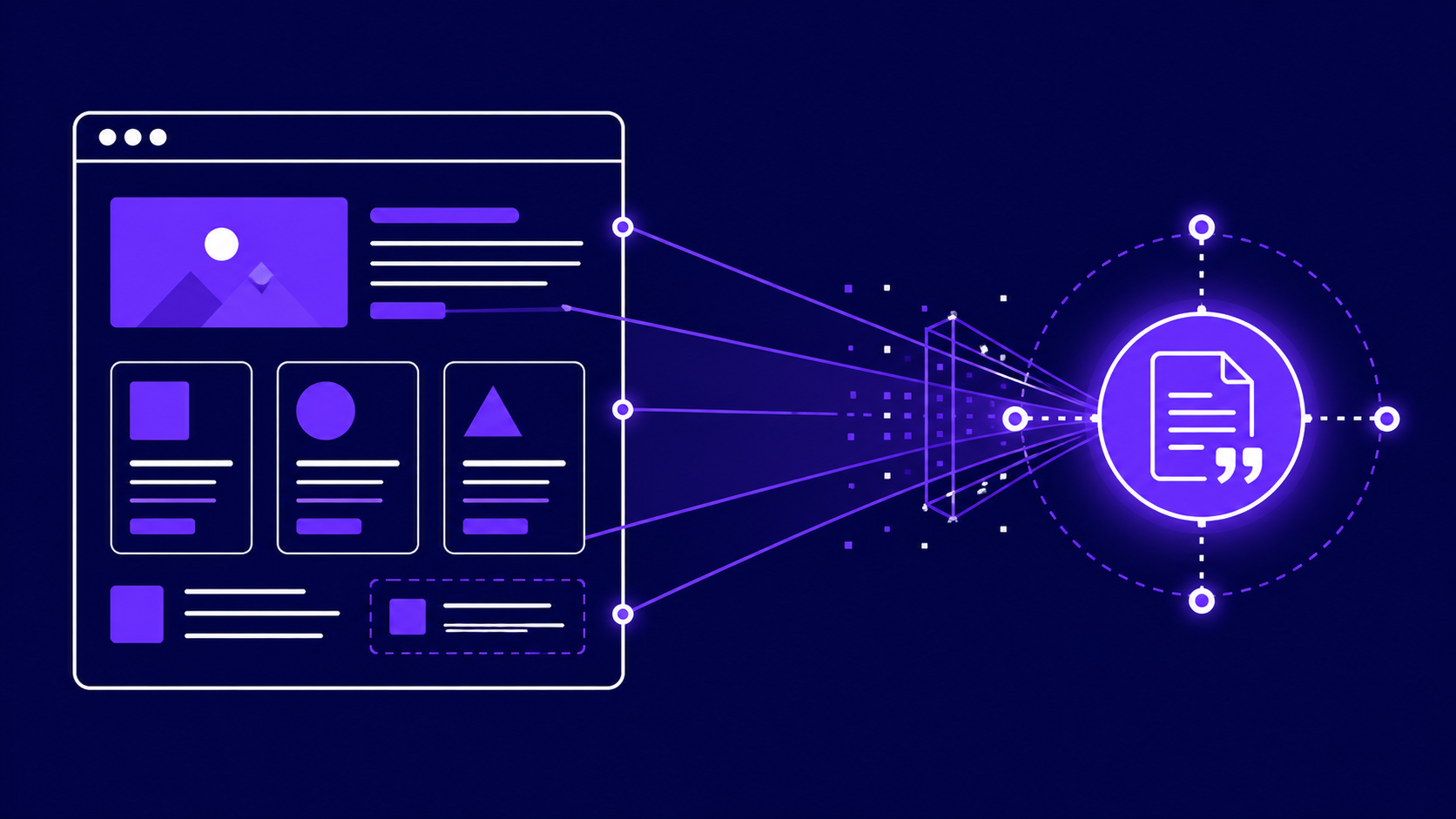
AI systems don't read your website the way a person does. They're scanning for content they can confidently extract, summarize, and attribute. If your site is a wall of marketing copy with no clear structure (and we see this constantly), there's nothing for the AI to grab onto.
The most common problems we run into:
Pages that bury the answer. If someone searches "how much does a website redesign cost" and your page spends 400 words on why redesigns matter before mentioning a single number, the AI skips you. Research shows 44% of AI citations come from the first 30% of a page's content. Front-load or get ignored.
No structured data. Schema markup is the metadata layer that tells AI systems what your content actually is, not just what it says. Sites with proper schema are roughly 2.5x more likely to appear in AI-generated answers. Most small business sites have none at all, or they've got a basic organization schema their developer dropped in three years ago and never touched.
Content that reads like a brochure. "We deliver comprehensive solutions for your business needs." That sentence tells an AI nothing. It can't quote it. It can't extract a fact from it. Compare that to: "A typical five-page small business website takes 4-6 weeks to build and costs between $3,000 and $8,000." Now that's something an AI can cite.
What actually works
We've been testing this across several client sites, and the tactics that move the needle aren't complicated. They're just specific.
Answer the question in the first two sentences
Every page that matters should open with a direct answer to the question it targets. Not a preamble. Not context. The answer. AI systems weigh the first 200 words of any page more heavily than the rest when deciding what to extract. Write like you're responding to someone who asked you a question at a conference — you wouldn't open with "Great question, let me give you some background."
Use question-based headings
Instead of "Our Web Development Process," write "How long does a website redesign take?" These map directly to the queries people type into AI search tools. Perplexity and ChatGPT are essentially matching questions to answers. Give them the match.
Add FAQ schema to your key pages
This one's technical but it's worth the effort. Pages with FAQPage schema markup are cited roughly 3x more often in AI responses. The implementation is straightforward JSON-LD, and your developer can add it in under an hour per page. If you're on a CMS like ExpressionEngine, you can template it so every new page gets the markup automatically.
Pages with FAQ structured data see about a 30% increase in AI citation rates on average. That's a meaningful edge for a relatively small investment of time.
Include real numbers, not fluff
AI engines are trained to trust content with specific, attributable data. "We've completed over 200 website projects since 2010" is citable. "We have extensive experience" is not. If you've got stats, timelines, pricing ranges, or case study results, put them on the page. Original data makes you 3.7x more likely to get cited than pages without it.
Keep content fresh
AI platforms cite content that's about 26% newer than what shows up in traditional search results. Pages updated within the past two months earn significantly more citations than stale content. This doesn't mean rewriting everything constantly. It means going through your service pages quarterly, updating stats, and making sure nothing reads like it was written in 2021. Because some of them were.
The platforms aren't all the same
Worth noting: ChatGPT, Google AI Overviews, and Perplexity each have their own citation patterns. ChatGPT leans heavily on Wikipedia and established publications. Perplexity pulls more from Reddit and niche sources, which is actually good news for small businesses with genuine expertise. Google's AI Overviews favor pages with structured data and strong E-E-A-T signals.
ChatGPT and Perplexity share only about 11% of their cited domains. So showing up in one doesn't guarantee you're visible in the other. The play is consistency across your own site plus presence in the places these engines trust: industry directories, review platforms like G2 or Clutch, relevant Reddit threads where you're adding actual value (not dropping links).
You don't need to overhaul everything
If this feels like a lot, start with your three most important service pages. Add FAQ schema. Rewrite the opening paragraph to lead with a direct answer. Drop in specific numbers wherever you've got them. Update the publish date.
That's maybe two hours of work, and it puts you ahead of the vast majority of small business sites that haven't touched any of this.
The bigger shift is an ongoing project: building a content strategy around AI citability, tracking your citation share across platforms, making sure your structured data covers your full service offering. But it starts with understanding that search has fundamentally changed, and the sites that adapt early are the ones that get cited while everyone else is still optimizing for page one.
We've been helping clients navigate this transition alongside their traditional SEO work. If your site traffic has plateaued or declined despite solid rankings, this is probably why. We can help you figure out what to fix first. Get in touch and we'll take a look.

EEConf 2026 Recap: What We Learned About ExpressionEngine 8 (and Everything Else) in Toronto
Just back from Toronto after spending time with the people that love using ExpressionEngine and those that build it. EE 8 is faster, ships with no known breaking changes for normal sites, and was built with AI agents in mind. Our notes from every session, with the parts that matter for your site.
Read More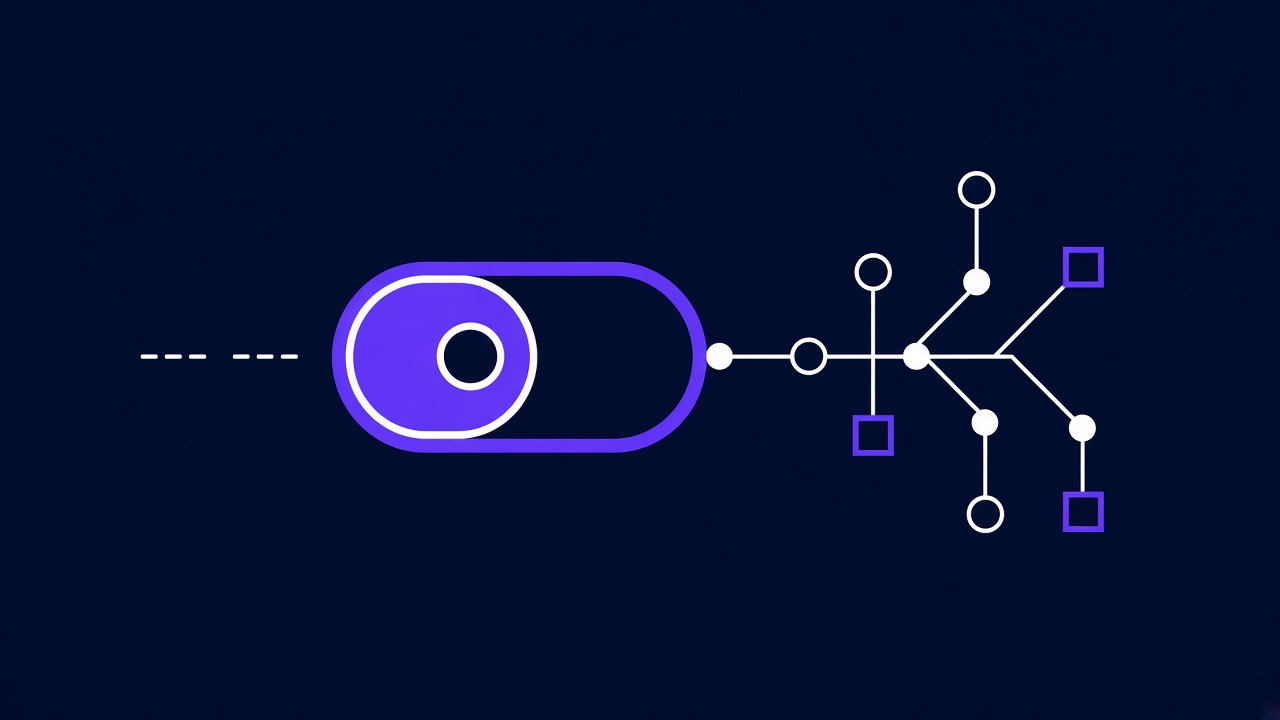
Google Just Gave Every Website an AI Opt-Out Switch. Should You Flip It?
Every Search Console account now has a toggle that pulls your site out of AI Overviews and AI Mode entirely. Most small businesses should leave it alone, and the AI performance report sitting next to it is the more useful half of the change.
Read More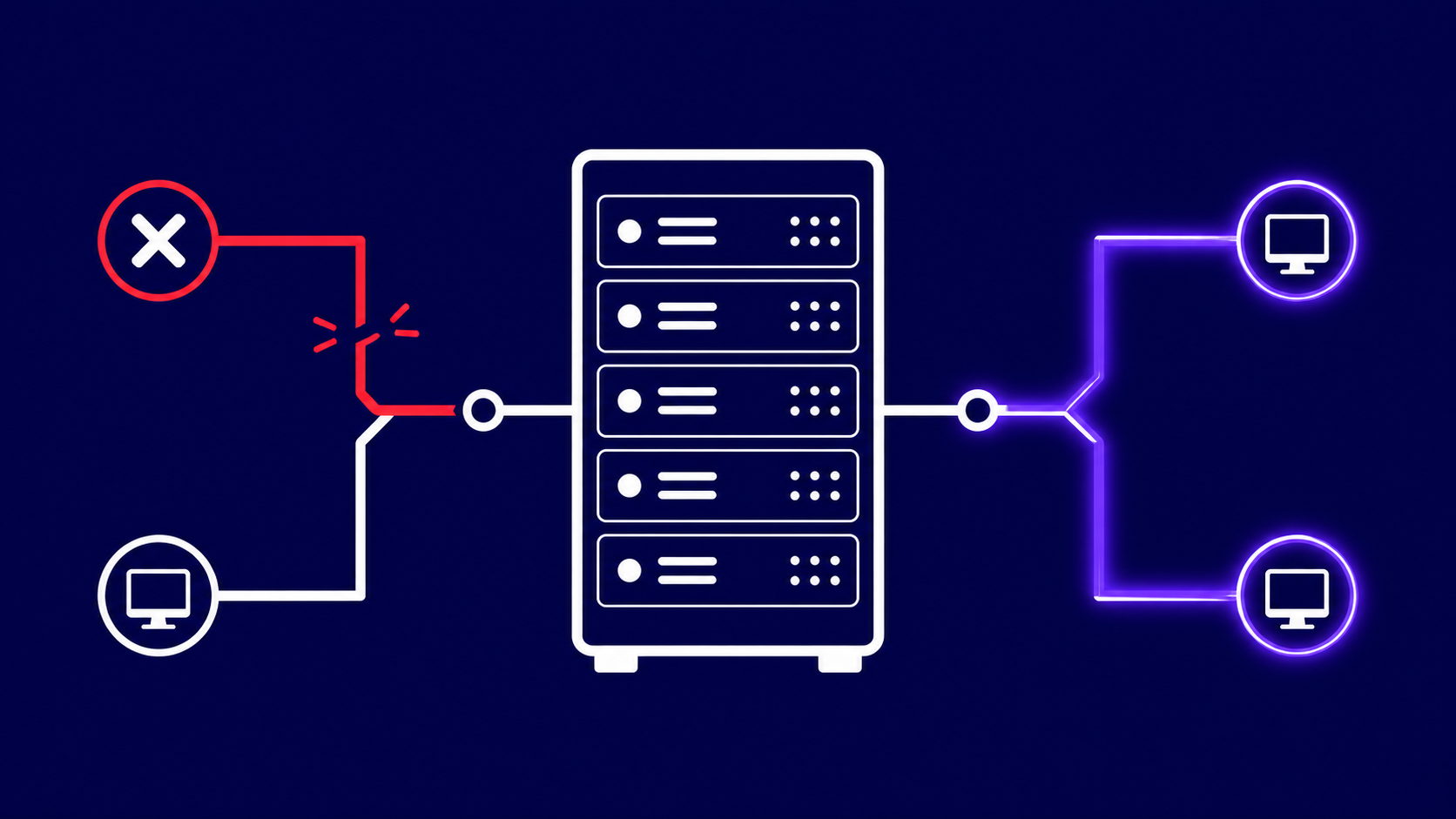
When Your Shared Hosting Provider Upgrades PHP and Your ExpressionEngine Site Goes Down
Your shared hosting provider quietly bumped your PHP version and now your ExpressionEngine site is throwing errors. Here's how to diagnose what broke, what typically causes it, and what your options are.
Read MoreGet a free audit
We found ourselves needing an urgent ExpressionEngine update. Thanks to Josh and his efficient intervention we were only offline for a short period of time…